

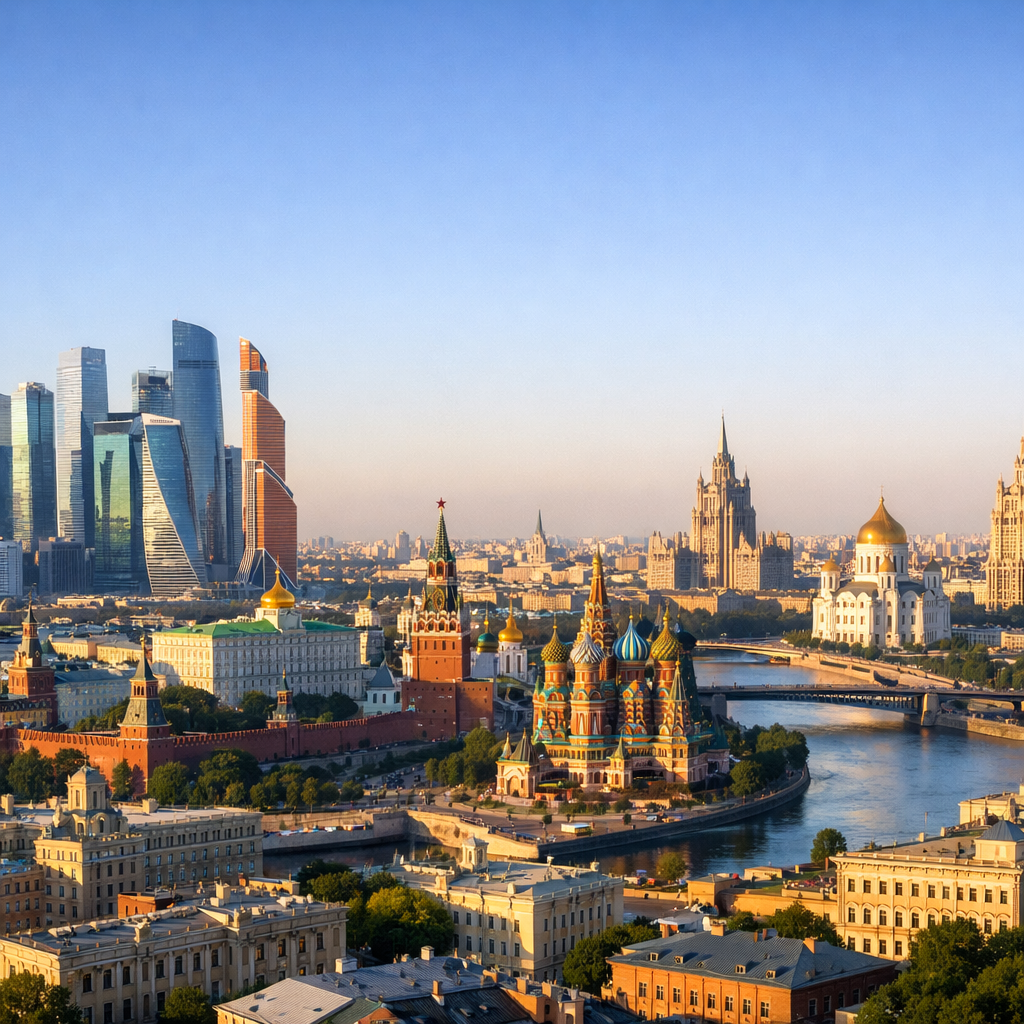
Moscow’s real estate market is experiencing notable shifts, influenced by economic factors and evolving buyer preferences. Understanding these trends is essential for prospective renters, buyers, and investors.
Rental Market Dynamics
After a period of significant growth, Moscow’s rental market has shown signs of stabilization. In 2025, rental prices remained relatively flat compared to the previous year, marking the first time since 2022 that rents did not see substantial increases. This plateau is attributed to a combination of economic conditions and a surge in available rental properties, leading to intensified competition among landlords. Notably, the supply of rental listings increased by an average of 70% year-on-year, as some property owners opted to rent out their units due to challenges in selling them. Source
Home Buying Considerations
The home buying landscape in Moscow has been influenced by high mortgage rates and the conclusion of subsidized mortgage programs. In 2025, the number of new housing projects launched in the city fell to its lowest level in 12 years. This decline is largely due to decreased buyer activity and elevated financing costs, with mortgage rates averaging over 21%. Consequently, developers have scaled back on initiating new projects, focusing instead on completing existing ones. Source
Local Development Insights
Despite challenges in the residential sector, certain areas of Moscow continue to attract investment. The Moscow-City business district, for instance, has seen high demand for office spaces, leading to record rental rates and a shortage of available properties. Analysts anticipate that these trends will persist, with rental rates in prime locations expected to rise by another 10–15% during 2026. This sustained demand underscores the district’s appeal to large businesses and investors. Source
In summary, Moscow’s real estate market is characterized by a stabilization in rental prices, challenges in the home buying sector due to high mortgage rates, and continued investment in key business districts. Staying informed about these trends is crucial for making well-informed decisions in this evolving market.