

By Alexei Egorov
Moscow’s weather has always featured sharp contrasts between seasons: freezing winters, mild springs, warm summers, and crisp autumns. But over the past decades, steady shifts in temperature and precipitation patterns are reshaping those familiar rhythms. Below I explore what long-term climate data tells us about Moscow’s changing seasons—and what these changes mean for residents.
What the data shows
Over the period from 1949 through 2025, average annual temperatures in Moscow have risen by about 2.8°C. Station MOSKVA-VDNX, which has one of the most complete records, registered mean temperatures around 4.6 °C during the early years (1949-1958) climbing to about 7.4 °C in recent years (2016-2025). This is not a short-term fluctuation—it reflects a consistent warming trend.
The warming is most pronounced in winters and early springs. Decembers through April and also October show statistically significant temperature rises compared to historical norms rooted in the early observation period. As a result, winters are shorter and less harsh, while spring arrives earlier.
Other trends are also notable: the number of frost days has dropped—what were once roughly 176 days below freezing per year are now closer to 143. And the growing season—that stretch when average temperatures stay above freezing—has lengthened by more than a month. There is also evidence of more frequent “return-of‐summer” warmth in early autumn, as well as hotter summer highs.
Seasonal effects for daily life
Winters growing milder, but still unpredictable
Long winters with steady snow still persist, but sharp swings are more common. Extended frosts are less uniform; milder thaws, sometimes with sleet rather than snow, happen more often. Although very cold spells remain possible, their duration tends to be shorter.
Summers hotter, storms stronger
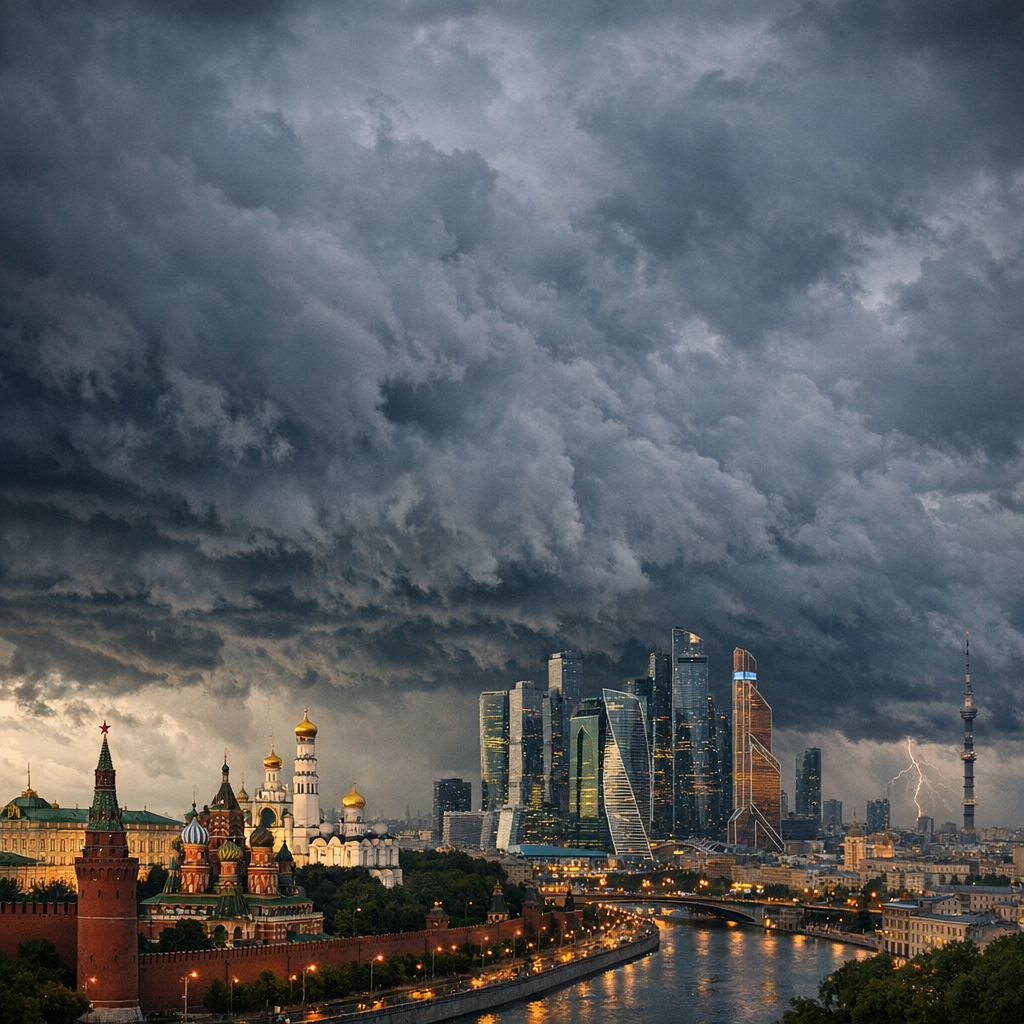
Summers are becoming warmer on average, with more frequent heat waves. The edges of summer—late spring and early autumn—often now see days comparable to mid-summer, especially during sudden heat buildups. Heavy rainfall and thunderstorms also occur more abruptly, sometimes following dry periods.
Environmental implications and what to look out for
These climate shifts affect more than just how we dress or what we plan outdoors. Warmer winters change snow cover duration, which influences river ice, soil freezing, and stress on trees and infrastructure. Early plant budding and longer growing seasons can enhance gardening and agriculture, but also may disturb ecosystems out of sync—pests, blossoms, migratory patterns.
Another issue is air quality. Milder weather often means less ultraviolet light to break down pollutants, and temperature inversions can trap smog. Monitoring shows that Moscow’s air basin—CO, NO₂, PM₁₀ and other aerosols—has long-term variation which climate change can interact with.
What to expect moving forward
Based on current trends, winters will likely continue to warm, thaws will become more frequent and earlier in the season, and spring and fall may feel more “extended.” Summer heat spells may become more intense, with more risk of drought stress or strong storms.
For Moscow residents, adapting means preparing for erratic weather—seasonal transitions may be sudden, and extremes more common. Where possible, adjusting public planning (green infrastructure, heating systems, stormwater management), and staying aware of air quality advisories, will help us cope.
Understanding these trends does more than satisfy curiosity: it allows communities to adjust to changing norms—shifting what counts as “normal weather” in a way that’s helpful, local, and grounded in data.