

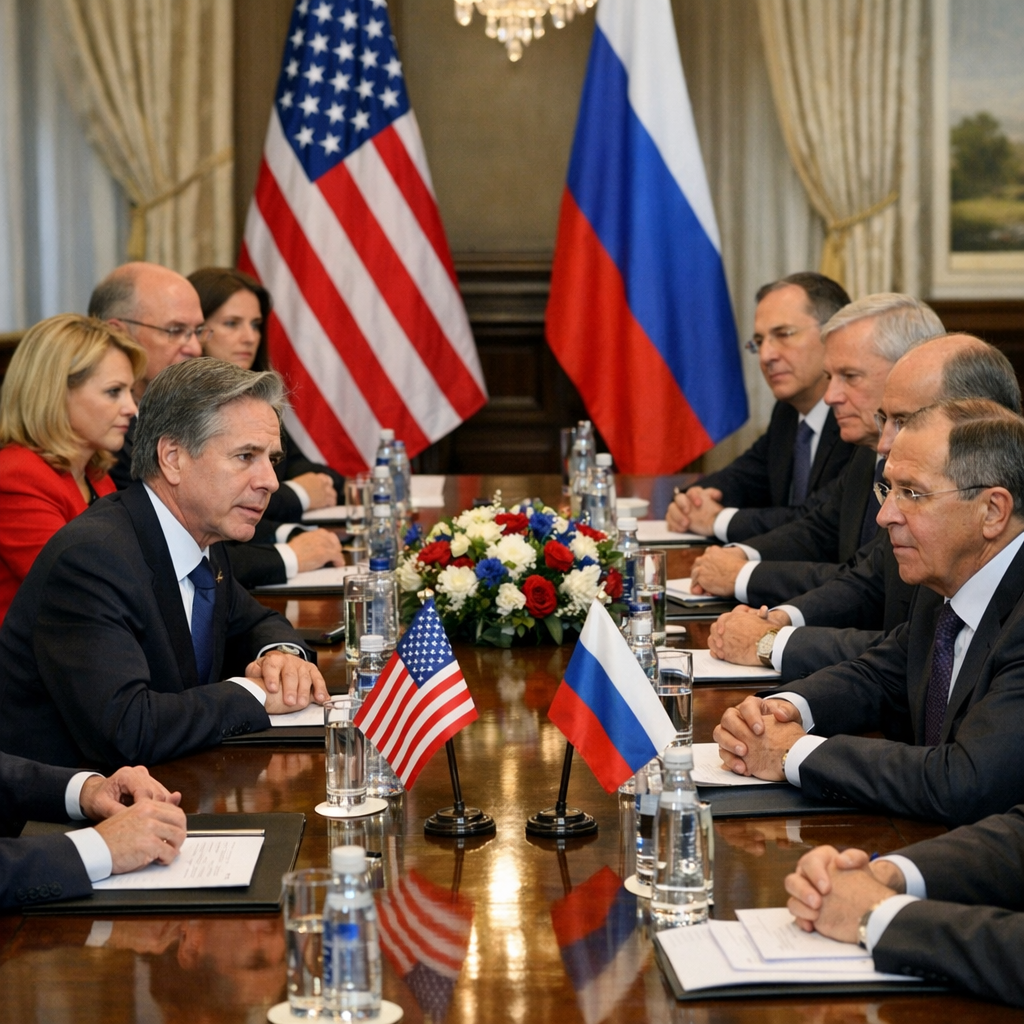
The relationship between the United States and Russia has been characterized by a blend of cooperation and competition, influencing global politics and economics. Understanding the nuances of this relationship is essential for comprehending its broader implications.
Historical Context
Since the dissolution of the Soviet Union in 1991, U.S.-Russia relations have experienced periods of both collaboration and tension. In the early 1990s, under President Boris Yeltsin, the two nations worked together on issues such as arms control and counterterrorism. However, events like NATO’s intervention in Yugoslavia in 1999 strained this cooperation. The annexation of Crimea by Russia in 2014 further deteriorated relations, leading to the imposition of sanctions by the U.S. and its allies. Source
Economic Interactions
Economically, the U.S. and Russia have had limited trade relations. Russia’s economy, heavily reliant on energy exports, has been impacted by sanctions aimed at its oil and gas sectors. These measures have led to increased global oil prices and have had ripple effects on the global economy. Source
Current Dynamics
In recent years, the U.S. has imposed sanctions targeting Russia’s financial institutions and technology sectors in response to various geopolitical actions. These sanctions aim to limit Russia’s access to global financial systems and advanced technologies. Source
Looking Ahead
The future of U.S.-Russia relations remains uncertain. While there are areas where cooperation is possible, such as arms control and counterterrorism, ongoing geopolitical tensions continue to pose challenges. Both nations will need to navigate these complexities carefully to avoid further escalation and to find common ground where possible.